
Pullman Loaf Pan vs Regular Loaf Pan: A Side-by-Side Baking Test
If you’ve ever admired the perfectly square, uniform slices of bread in a Japanese milk bread or a classic pain de mie, you’ve seen the handiwork of a Pullman loaf pan. But how does it really stack up against the familiar, domed-topped loaf from your standard 9x5-inch pan? As a home baker who’s made countless loaves in both, I decided to put them to a head-to-head test. I baked the same simple white dough in both pans, side-by-side, to give you a clear, practical comparison. Whether you’re chasing that iconic square shape or just want to understand your tools better, let’s break down the results.
The Core Difference: Shape and Structure
At first glance, the difference is obvious: one has a lid. But the distinction goes deeper, influencing everything from your recipe to the final crumb.
The Regular Loaf Pan: The Classic Workhorse
The standard loaf pan, typically 8.5x4.5 inches or 9x5 inches, is an open-topped vessel. It’s designed to allow dough to rise freely, creating that characteristic rounded “crown” or dome. This pan is incredibly versatile, used for everything from sandwich bread and banana bread to meatloaf and pound cakes. The free rise means the baker has less control over the final height and shape, as the dough will expand where it has the least resistance.

The Pullman Loaf Pan: The Precision Tool
A Pullman pan (or pain de mie pan) is a long, rectangular pan with straight sides and a sliding lid. The standard size is 13x4x4 inches. The magic happens when you slide the lid on during baking. This confines the dough’s rise, forcing it to expand evenly in all directions to fill the rectangular space. The result is a loaf with perfectly flat top and sides, a fine, even crumb, and square slices ideal for uniform sandwiches, canapés, or neat toasting. Without the lid, it functions similarly to a longer, straighter-sided regular pan.
The Side-by-Side Baking Test
To see the real-world differences, I prepared a single batch of my standard enriched white bread dough (recipe below). I divided the dough evenly, shaped it, and proofed it in both a 9x5-inch regular pan and a 13-inch lidded Pullman pan.
The Dough Formula
- Flour: 600g bread flour
- Water: 360g (60% hydration, lukewarm)
- Yeast: 9g instant yeast (or 12g active dry)
- Sugar: 24g
- Salt: 12g
- Butter: 30g, softened
- Milk Powder: 24g (optional, for tenderness)
I used a straight dough method: mixed all ingredients, kneaded for about 10 minutes until smooth and elastic, then let it bulk ferment at 75°F (24°C) until doubled, about 1.5 hours.
Shaping, Proofing, and Baking
After degassing, I divided the dough: approximately 800g for the Pullman pan and 400g for the regular pan. I shaped both into tight cylinders to fit their respective pans.
- For the Regular Pan: The dough was proofed until it crowned about 1 inch above the rim of the 9x5 pan.
- For the Pullman Pan: The dough was proofed until it reached about ½ to ¾ inch from the top of the pan’s walls. This is crucial—too much and the lid will be forced off, creating a messy seam; too little and you’ll have empty space in the corners.
Both proofed for about 50 minutes. I then baked them in a preheated 375°F (190°C) oven.
Key Difference: For the Pullman pan, I slid the lid on just before placing it in the oven. The regular pan baked uncovered.
Baking Times:
The regular loaf was done in 35-40 minutes, golden brown and sounding hollow when tapped.
The Pullman loaf required 45-50 minutes with the lid on. I then removed the lid and baked for an additional 5-10 minutes to achieve a light golden color on the top crust.

Results: Crust, Crumb, and Practical Use
Crust Comparison
Regular Pan: Developed a beautiful, dark golden-brown, slightly crisp crust on all sides and a soft, domed top. The crust variation was more pronounced.
Pullman Pan: The sides and bottom were pale and very soft due to being shielded by the pan and lid. The top, exposed after lid removal, developed a thin, delicate, light golden crust. The overall loaf has a much softer crust all around, which is a hallmark of pain de mie.
Crumb & Slice Analysis
This is where the Pullman shines for specific applications.
Regular Pan: The crumb was light and airy, with a more open, irregular structure. Slicing yielded the classic shape: small "heels" at the ends and large, domed center slices that taper at the edges. Great for hearty sandwiches and toast.
Pullman Pan: The crumb was exceptionally even, fine, and tender. The confinement of the lid created a tighter, more uniform air bubble structure. Every slice from the middle of the loaf was a perfect square, with no waste. This is the ideal crumb for tea sandwiches, uniform canapés, or anyone who values neatness.
Yield and Slicing Efficiency
The Pullman pan, being longer, produces more total slices. More importantly, nearly 90% of the Pullman loaf yields full, square slices, while only about 60% of the regular loaf provides a full-width slice. If you're making a large batch of sandwiches for a party or want consistent slices for freezing, the Pullman is remarkably efficient.
When to Choose Which Pan
Reach for Your Regular Loaf Pan When...
- You want a rustic, domed loaf with a more robust crust.
- You’re baking quick breads, banana bread, or meatloaf (which don’t need a lid).
- You prefer an airier, more open crumb structure.
- You’re making a standard 1-pound loaf recipe.
Invest in a Pullman Loaf Pan When...
- You crave perfectly square, uniform slices for sandwiches or tea parties.
- You love ultra-soft, fine-crumbed breads like Japanese milk bread or pain de mie.
- You want maximum slicing efficiency and minimal "heel" waste.
- You need a compact, straight-sided loaf that stores easily in bread bags or containers.
For this test, I used a Spmarkt Pullman Pan. Its heavy-gauge steel provided even heating, and the sliding lid operated smoothly without sticking, which is essential for getting that clean square shape. It’s a tool that rewards precision.
Pro Tips for Pullman Pan Success
Using a Pullman pan has a learning curve. Here’s how to master it:
- Grease Everything Liberally: Grease the pan and the underside of the lid. A spray oil works wonders here to prevent the dough from sticking and tearing when you remove the lid.
- Mind the Proof: This is the most critical step. Under-proof, and you get empty corners and a dense loaf. Over-proof, and the dough will fuse to the lid and create a messy "muffin top." Aim for the dough to reach ½ inch from the top rim.
- Lid On, Lid Off: Always bake with the lid on for at least 75% of the baking time to set the shape. A final stint without the lid allows for slight coloring.
- Release the Steam: After removing the loaf from the oven, take the lid off immediately and turn the loaf out onto a cooling rack within 5 minutes. This prevents soggy sides from trapped steam.
- Consider Your Recipe: Enriched doughs (with milk, butter, eggs) work beautifully in Pullman pans. Lean doughs (like a basic French bread) can also be baked in them for a unique shape, but the crumb will be denser.
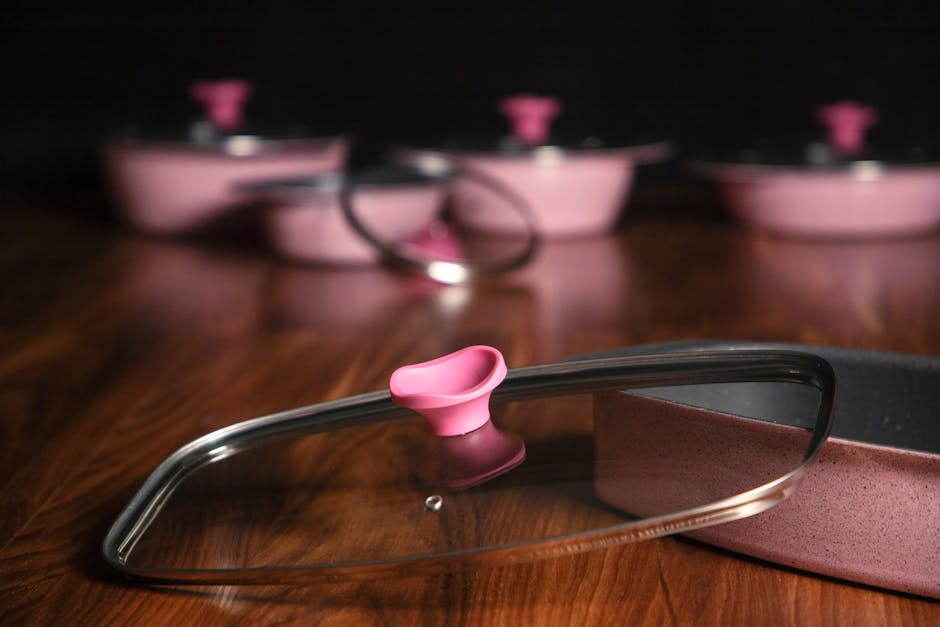
Beyond Bread: Other Uses for Your Pans
Both pans are more versatile than they seem.
Regular Pan: The obvious choice for sweet breads, bar desserts (like layered brownies), and savory dishes. Its open top is a benefit here.
Pullman Pan (with lid): Try it for dense, moist cakes like pound cake or gingerbread—the lid ensures an ultra-flat top perfect for stacking or icing. Without the lid, a Pullman pan makes an excellent longer, straighter-sided loaf pan for a more professional look on standard breads. I’ve even used my Spmarkt pan (lid off) for a stunning, rectangular savory strata.
Pullman Pan vs Regular Pan FAQ
Q: Can I use my regular loaf pan recipe in a Pullman pan?
A: Often, yes, but adjustments are needed. A standard 9x5 recipe makes about 800-900g of dough. A 13-inch Pullman pan needs about 1200-1350g for a full loaf. You can scale your recipe up by about 50%. More importantly, you must adjust the baking time and temperature as the lidded, confined bake is different. Start with the lid on at 375°F (190°C) for 45-50 minutes, then check.
Q: Is a Pullman pan only for white bread?
A: Not at all! While classic for white pain de mie, Pullman pans are fantastic for whole wheat, rye, and seeded breads. The lid creates a uniquely fine, moist crumb in whole-grain loaves. Just ensure your dough isn't too stiff; it needs to be able to expand evenly to fill the corners.
Q: My Pullman loaf stuck to the lid. What went wrong?
A> This is almost always due to over-proofing. If the dough touches the lid before baking, it will start to bake onto it. Next time, proof the dough until it's no more than ¾ inch from the pan's top rim. Also, ensure both the pan and lid are very well greased.
Q: How do I clean and maintain a Pullman pan?
A: Hand washing is recommended, especially for the lid's sliding mechanism, to prevent warping and rust. Dry it thoroughly immediately after washing. For stubborn residue, a soak in warm, soapy water will loosen it. Avoid abrasive scrubbers on non-stick coatings. A well-maintained pan like the Spmarkt model, with its durable construction, will last for years.
Q: Which pan is better for a beginner baker?
A: Start with a regular 9x5 loaf pan. It's more forgiving—the free rise means precise proofing is less critical, and you can visually assess doneness easily. Once you're comfortable with shaping, proofing, and baking standard loaves, then graduate to the Pullman pan to explore the world of precision baking.
The choice between a Pullman loaf pan and a regular loaf pan isn't about one being better; it's about choosing the right tool for the bread you want to create. The regular pan offers rustic charm and versatility, while the Pullman pan delivers precision, uniformity, and a uniquely tender crumb. Having both in your arsenal, like a trusty 9x5 and a reliable Spmarkt Pullman Pan, means you're ready for any baking project, from a hearty seeded sandwich loaf to the most elegant tea-time slices. Happy baking!